PURE GOODNESS, DELIVERED TO YOUR DOORSTEPS

FREE DELIVERY ON ORDERS ABOVE INR 1000/-

DELIVERY WITHIN 48 HOURS IN DELHI NCR

Shop now

JUST ORGANIK

Barnyard Millet (Samak Ke Chawal) 500g

₹190.00
In stock
Your Rewards ₹0

Spend ₹1,000 more to unlock Free shipping.

Free shipping ₹1,000 5% off ₹1,500 10% off ₹3,000 25% off ₹5,000
Guaranteed Checkout
Barnyard Millet (Samak Ke Chawal) 500g
₹190.00
500gm

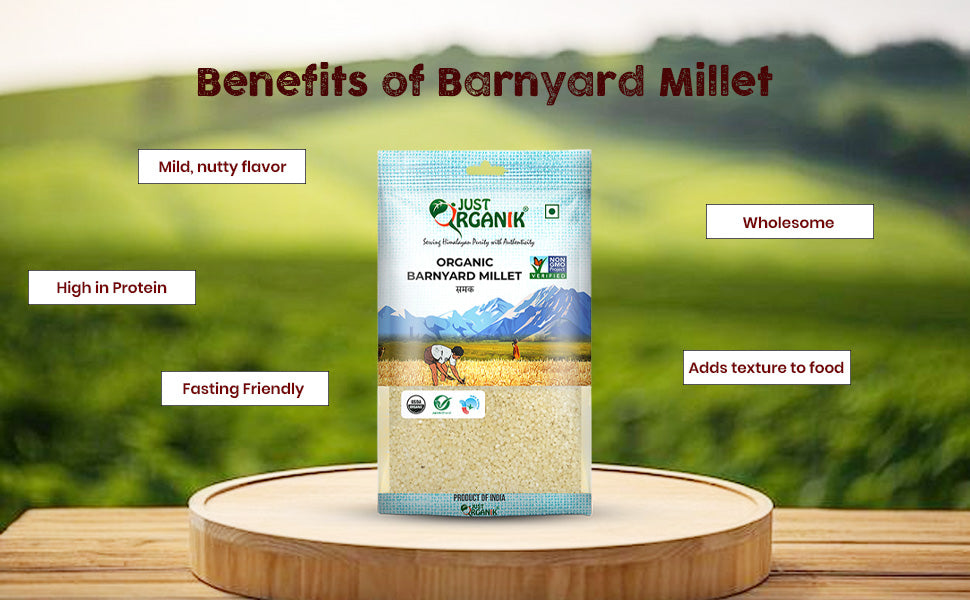
When fasting days arrive in many Indian homes, the kitchen changes too. Everyday grains step aside, and traditional ingredients take their place. In the hills of Uttarakhand, one such grain has been part of the local food culture for generations — Barnyard Millet, traditionally known as Jhangora or Samak.

Just Organik Organic Barnyard Millet is sourced from Uttarakhand, bringing this traditional hill grain from its place of cultivation to the modern Indian kitchen. Also searched for as Jhangora Chawal or Jhangora Rice, Barnyard Millet has a naturally light texture and a subtle, earthy character that makes it wonderfully versatile.

Across India, Barnyard Millet is known by different names, including Jhangora, Samak ke Chawal, Samak Rice, Kuthiravali, Oodalu and Kavadapullu. These regional names reflect how deeply this grain has travelled through India's diverse food traditions.

Barnyard Millet naturally provides dietary fibre, carbohydrates and plant-based protein, along with naturally occurring nutrients such as calcium, phosphorus, iron, zinc, magnesium and B-complex vitamins. It can be included as part of a varied and balanced diet, whether you are preparing a traditional fasting meal or simply looking for another whole grain for everyday cooking.

Its connection with Uttarakhand food culture makes Jhangora particularly interesting. Traditionally, the grain has been used in different preparations in the hills, including Jhangora Kheer, a comforting preparation made with milk. It can also be cooked as a rice-style grain, prepared into khichdi and pulao, or paired with vegetables and traditional hill-style meals.

During Navratri, Ekadashi and other vrat occasions, Barnyard Millet is commonly used as a substitute for regular cereals. Prepare it with fasting-friendly ingredients such as potatoes, peanuts, ghee, curd and sendha namak, depending on the rules followed for your particular fast.

Beyond fasting, Jhangora is equally suited to everyday Indian cooking. Cook it and serve it with dal, vegetables, kadhi or curry, turn it into a warm breakfast preparation, or use the cooked grains in salads and grain bowls.

There is something special about discovering a grain through the place where it has been part of food traditions for generations. Jhangora is more than another millet — it is a traditional grain of Uttarakhand that continues to find its way from the hills into contemporary Indian kitchens.

From Jhangora Chawal and Jhangora Kheer to everyday khichdi and pulao, Just Organik Organic Barnyard Millet brings the traditional character of Uttarakhand's Jhangora to your table.

How to Cook and Use Organic Barnyard Millet

For one person: Approximately 50–60 g of dry Barnyard Millet (Jhangora) is a practical starting quantity when using it as the main grain in a meal. Adjust the quantity according to appetite and the other ingredients in the meal.

Basic cooking method: Rinse Jhangora thoroughly and soak it for around 15–30 minutes before cooking. Drain and cook with fresh water until the grains are tender. Once cooked, cover and let the Barnyard Millet steam for 5–10 minutes. This resting and steaming step allows the grains to absorb the remaining moisture and cook evenly, giving them a better texture. Fluff gently before serving, or allow it to cool depending on the recipe.

Traditional & Indian Uses
  1. Jhangora Chawal – Cook Barnyard Millet until tender and serve it like rice with dal, sabzi, curry or kadhi.
  2. Jhangora Kheer – Slowly cook Jhangora with milk, cardamom and jaggery or sugar to make the traditional-style Uttarakhand preparation.
  3. Jhangora Khichdi – Cook with moong dal, vegetables and spices for a comforting one-pot meal.
  4. Vrat Jhangora Khichdi – Prepare with vrat-friendly ingredients such as potato, peanut, cumin, ghee and sendha namak according to your fasting tradition.
  5. Jhangora Pulao – Cook with vegetables and whole spices for a fragrant millet pulao.
  6. Jhangora Upma – Prepare with vegetables, curry leaves, mustard seeds and spices for a savoury breakfast.
  7. Jhangora with Dal & Sabzi – Use cooked Jhangora exactly as you would rice alongside everyday Indian dal and vegetable preparations.
  8. Jhangora Curd Rice – Cool cooked millet and combine with curd and a simple tempering for a South Indian-inspired preparation.
  9. Jhangora Dosa – Soak and grind the millet with suitable ingredients to prepare a millet-based dosa batter.
  10. Jhangora Porridge – Cook the grain until soft and prepare a simple sweet or savoury porridge.
  11. Jhangora Lemon Rice – Toss cooked millet with lemon juice, curry leaves, peanuts and a traditional tempering.
  12. Jhangora Grain Bowl – Combine cooked millet with vegetables, dal, legumes, curd or seeds for an everyday meal.

1. What is Jhangora?

Jhangora is the traditional name commonly used for Barnyard Millet in Uttarakhand. It is a small millet grain that has been part of the food traditions of the Uttarakhand hills and is also used in various Indian fasting preparations.

2. Is Jhangora the same as Barnyard Millet?

Yes. Jhangora is a regional Indian name for Barnyard Millet, particularly associated with Uttarakhand. Barnyard Millet is also known by names such as Samak ke Chawal, Samwa, Kuthiravali and Oodalu in different parts of India.

3. Where is Just Organik Barnyard millet/ Samak sourced from?

Just Organik Organic Barnyard Millet is sourced from Uttarakhand. It brings the traditional Jhangora grain of the Uttarakhand hills to your kitchen.

4. What is Jhangora Chawal?

Jhangora Chawal refers to Barnyard Millet prepared and served in a rice-style manner. The cooked millet can be eaten with dal, vegetables, curry, kadhi and other Indian accompaniments. It is also commonly associated with fasting meals.

5. How do I cook Jhangora or Barnyard Millet?

Rinse the millet thoroughly and soak it for around 15–30 minutes if desired. Drain and cook with fresh water until tender. For a rice-style preparation, allow the grains to remain relatively separate; for khichdi or kheer, cook longer for a softer consistency.

6. Can Jhangora be eaten during vrat or fasting?

Yes. Barnyard Millet is traditionally used in many Indian vrat and fasting preparations and is often known as Samak ke Chawal or Samak Rice in fasting contexts. The foods permitted during fasting vary by tradition, so prepare it according to the rules of your particular vrat.

7. What is Jhangora Kheer?

Jhangora Kheer is a traditional-style preparation made by cooking Barnyard Millet with milk and commonly flavouring it with cardamom, nuts and a sweetener such as jaggery or sugar. It is particularly associated with the food traditions of Uttarakhand.

8. What nutrients are naturally present in Barnyard Millet?

Barnyard Millet naturally provides dietary fibre, carbohydrates and plant-based protein, and contains naturally occurring nutrients including calcium, phosphorus, iron, zinc, magnesium and B-complex vitamins. Nutritional values can vary depending on the grain and processing.

9. Is Jhangora gluten-free?

Yes. Barnyard Millet, including Jhangora, is naturally gluten-free. If you need strict gluten avoidance, processing and possible cross-contact should also be considered.

10. How much Barnyard Millet should one person eat?

Approximately 50–60 g of dry Jhangora per person is a practical starting quantity when it is being used as the main grain in a meal. The appropriate amount depends on appetite, the recipe and what else is being served.

Our story

Discover the story behind this product.
Related Products

Recently Viewed Products

purchased
verified